

With Modern Building Design Solutions for Urban Homes at the forefront, this paragraph opens a window to an amazing start and intrigue, inviting readers to embark on a storytelling casual formal language style filled with unexpected twists and insights.
Modern building design plays a crucial role in shaping urban environments, offering innovative solutions to address challenges and optimize space utilization.
Importance of Modern Building Design Solutions for Urban Homes
Modern building design solutions play a crucial role in shaping urban homes to meet the needs of residents living in densely populated areas. These solutions are essential for creating sustainable, functional, and aesthetically pleasing living spaces that address the unique challenges of urban environments.
Innovative Design Solutions for Urban Challenges
Modern building design offers innovative solutions to address various challenges faced in urban settings. For example, the use of green building techniques and materials can help reduce energy consumption and carbon footprint in densely populated areas. Incorporating smart home technologies can enhance security and convenience for urban residents.
Additionally, the implementation of mixed-use developments can optimize limited space by combining residential, commercial, and recreational areas within the same building or complex.
Optimizing Space Utilization in Urban Environments
One of the key benefits of modern building design is its ability to optimize space utilization in urban environments. By incorporating efficient floor plans, flexible living spaces, and multi-functional furniture, designers can maximize the use of limited space without compromising on comfort or functionality.
Vertical gardens, rooftop terraces, and shared communal spaces are also innovative design solutions that help create a sense of community and enhance quality of life in urban homes.
Key Elements of Modern Building Design for Urban Homes
Urban homes are a unique blend of functionality, aesthetics, and sustainability. Modern building design for urban spaces incorporates several key elements to ensure efficient use of space, energy, and resources.
Use of Sustainable Materials
One of the essential elements of modern building design for urban homes is the use of sustainable materials. These materials are environmentally friendly, energy-efficient, and contribute to reducing the carbon footprint of the building.
- Utilizing recycled materials such as reclaimed wood or metal can help reduce waste and promote eco-friendly construction practices.
- Choosing materials with low embodied energy, such as bamboo or cork, can minimize the environmental impact of the building process.
- Implementing green roofs or walls can improve insulation, reduce energy consumption, and promote biodiversity in urban areas.
Energy-Efficient Technologies
Another crucial element of modern building design for urban homes is the integration of energy-efficient technologies. These technologies help reduce energy consumption, lower utility costs, and create a more sustainable living environment.
- Installing solar panels or wind turbines can generate renewable energy on-site, reducing dependency on traditional power sources.
- Incorporating smart home systems, such as automated lighting and HVAC controls, can optimize energy usage and improve overall efficiency.
- Utilizing energy-efficient appliances and fixtures, like LED lighting and low-flow plumbing fixtures, can further reduce energy consumption and promote sustainable living practices.
Flexibility and Adaptability
Flexibility and adaptability are essential aspects of modern building design for urban homes, considering the dynamic nature of urban living. Design solutions that allow for easy modification and customization help residents meet their changing needs over time.
- Open floor plans and multifunctional spaces provide versatility and allow residents to adapt the layout to suit their preferences and lifestyle.
- Modular construction techniques enable quick and cost-effective alterations to the building, accommodating changing family sizes or usage requirements.
- Incorporating sustainable design principles, such as passive heating and cooling strategies, can enhance the building’s resilience to climate change and reduce the need for constant adjustments.
Trends in Modern Building Design for Urban Homes
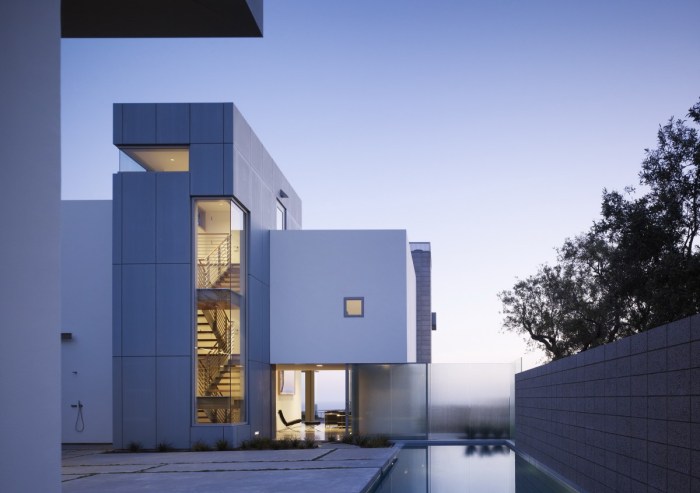
Urban homes are constantly evolving to meet the changing needs and preferences of city dwellers. Let’s explore some of the current trends in modern building design for urban residences.
Architectural Styles for Urban Residences
In recent years, there has been a shift towards a more minimalist and contemporary architectural style for urban homes. Clean lines, open floor plans, and the use of natural materials such as wood and stone are popular choices. Additionally, there is a growing interest in incorporating elements of industrial design, such as exposed brick and metal accents, to add a unique touch to urban homes.
Integration of Smart Home Technologies
Smart home technologies have become increasingly integrated into modern urban building designs. From automated lighting and climate control systems to security cameras and smart appliances, homeowners are embracing the convenience and efficiency that these technologies offer. The seamless integration of these systems into the design of urban homes has become a key trend in creating modern, connected living spaces.
Influence of Eco-Friendly Practices and Green Spaces
With a growing awareness of environmental issues, eco-friendly practices and green spaces have become integral to urban home design trends. Features such as energy-efficient appliances, solar panels, and green roofs are being incorporated into the design of urban homes to reduce carbon footprints and promote sustainability.
In addition, the inclusion of green spaces such as rooftop gardens, vertical gardens, and indoor plants not only enhances the aesthetic appeal of urban residences but also contributes to a healthier living environment for residents.
Challenges and Solutions in Implementing Modern Design for Urban Homes
Urban environments present unique challenges when it comes to implementing modern design solutions for homes. From space constraints to balancing aesthetics and functionality, architects and designers face a variety of obstacles. However, with innovative solutions and strategic planning, these challenges can be overcome to create modern, livable spaces in urban settings.
Space Constraints in Urban Home Design
One of the most common challenges in urban home design is the limited space available for construction. With the increasing population density in cities, architects must find creative ways to maximize space without compromising on comfort and functionality.
- Utilizing vertical space: Building upwards instead of outwards can help maximize space in urban homes. This can include adding extra floors or utilizing rooftop areas for outdoor living spaces.
- Multipurpose furniture: Opting for furniture pieces that serve multiple functions, such as a sofa that transforms into a bed or a dining table that doubles as a workspace, can help save space in small urban homes.
- Smart storage solutions: Incorporating built-in storage options, such as hidden cabinets, under-stair storage, or wall-mounted shelves, can help reduce clutter and make the most of limited space.
Balance between Aesthetics and Functionality
Another key challenge in modern urban building design is striking a balance between aesthetics and functionality. While it’s important for a home to look visually appealing, it should also be practical and meet the needs of its residents.
- Minimalist design approach: Embracing a minimalist design philosophy can help create clean, uncluttered spaces that are both aesthetically pleasing and functional. This can involve using simple color palettes, sleek furniture, and streamlined layouts.
- Integration of smart home technology: Incorporating smart home devices and systems can enhance the functionality of urban homes, allowing residents to control lighting, temperature, security, and more with ease.
- Natural light and ventilation: Prioritizing natural light and ventilation in urban home design not only improves the aesthetics of a space but also contributes to the overall well-being of its occupants.
Last Word
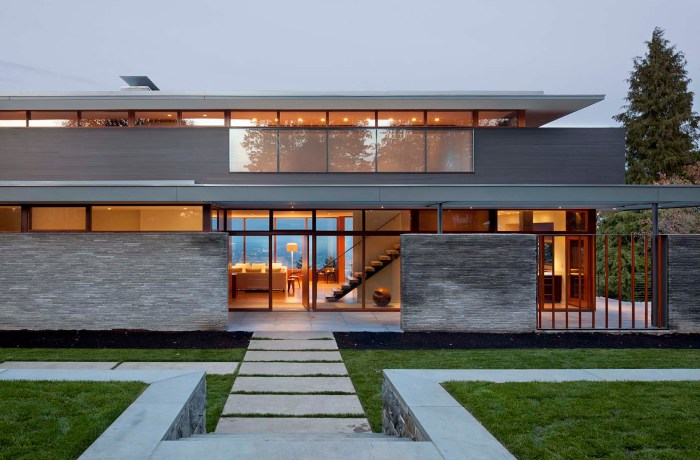
In conclusion, the discussion on modern building design solutions for urban homes unravels the importance of sustainable materials, adaptability, and smart technologies in shaping the future of urban living.
FAQ Compilation
How can modern building design help address urban challenges?
Modern building design offers innovative solutions such as optimizing space utilization, incorporating sustainable materials, and integrating energy-efficient technologies to tackle urban challenges effectively.
What are some key elements of modern building design for urban homes?
Essential elements include sustainable materials, energy-efficient technologies, flexibility, and adaptability to ensure efficient and adaptable urban home designs.
What are some common challenges faced in implementing modern design solutions for urban homes?
Challenges may include space constraints, balancing aesthetics with functionality, and overcoming regulatory hurdles in urban environments.

