

When it comes to choosing between wood and fiber cement for exterior siding, the decision can greatly impact the aesthetics, durability, and maintenance of your home. Let’s delve into the differences, benefits, and drawbacks of each material to help you make an informed choice.
Introduction
Wood siding is a traditional option for exterior cladding made from various types of wood, such as cedar, pine, or redwood. On the other hand, fiber cement siding is a composite material made from a mix of cement, sand, and cellulose fibers.
Both options offer different benefits and considerations for homeowners and builders.Exterior siding plays a crucial role in protecting a building from the elements, providing insulation, and enhancing its aesthetic appeal. Choosing the right type of siding is essential for ensuring the longevity and durability of a structure.Wood siding has been a popular choice for many years due to its natural beauty, versatility, and classic appeal.
On the other hand, fiber cement siding has gained popularity in recent years for its durability, low maintenance requirements, and resistance to rot, fire, and insects. Homeowners and builders often weigh the pros and cons of each option to determine the best fit for their specific needs and preferences.
Material Composition
Wood Siding:Wood siding is typically made from natural wood materials such as cedar, pine, or redwood. These materials are cut into various shapes and sizes to create the desired look for the exterior of a building.Fiber Cement Siding:Fiber cement siding is composed of a mixture of cement, sand, and cellulose fibers.
This combination results in a durable and low-maintenance siding material that can mimic the appearance of wood, brick, or stucco.
Durability Comparison
Wood:
- Wood siding is susceptible to rot, mold, and insect damage if not properly maintained.
- Regular painting or staining is required to protect the wood from the elements.
- With proper care, wood siding can last for decades, but it requires more maintenance compared to fiber cement.
Fiber Cement:
- Fiber cement siding is resistant to rot, mold, and insect damage, making it a more durable option than wood.
- It is also fire-resistant and can withstand harsh weather conditions without deteriorating.
- Fiber cement siding typically requires less maintenance than wood siding, making it a popular choice for homeowners looking for a long-lasting exterior material.
Installation Process
When it comes to installing exterior siding, both wood and fiber cement options have their own unique installation processes. Let’s take a closer look at the steps involved in installing each type of siding and discuss the complexity and ease of installation for both options.
Wood Siding Installation
Wood siding installation typically involves the following steps:
- Prepare the surface by removing any existing siding and ensuring a clean, smooth surface.
- Install a moisture barrier to protect the wood from water damage.
- Measure and cut the wood siding to fit the exterior walls of the building.
- Attach the siding to the walls using nails or screws, making sure to leave room for expansion and contraction.
- Apply a protective finish or paint to seal the wood and enhance its durability.
Fiber Cement Siding Installation
Fiber cement siding installation follows a slightly different process:
- Prepare the surface by cleaning and inspecting it for any damage or imperfections.
- Measure and cut the fiber cement siding to fit the walls, taking care to use the appropriate tools for cutting.
- Attach the siding to the walls using specialized fiber cement screws or nails.
- Seal the joints and edges of the siding to prevent moisture infiltration.
- Apply a coat of primer and paint to protect the fiber cement and enhance its appearance.
Overall, the installation process for wood siding is relatively straightforward but may require more maintenance over time due to the natural properties of wood. On the other hand, fiber cement siding installation can be more complex due to the heavier weight of the material and the need for specialized tools, but it offers greater durability and resistance to elements like moisture and pests.
Maintenance Requirements
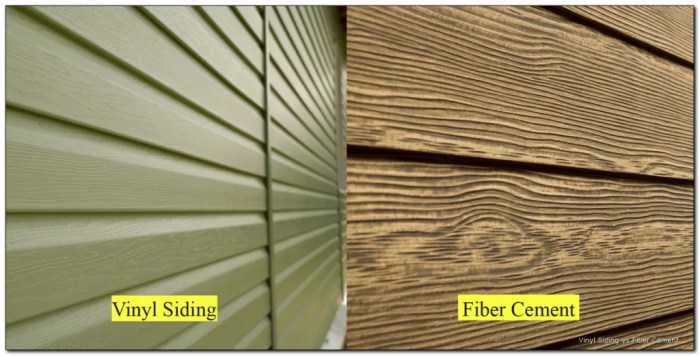
Wood and fiber cement siding have different maintenance needs. Let’s delve into the specifics of caring for each type of siding.
Maintenance Needs for Wood Siding
Wood siding requires regular maintenance to protect it from the elements and prevent rot or decay. Here are some key maintenance tasks for wood siding:
- Regularly inspecting for signs of damage, such as cracks, rot, or insect infestations.
- Cleaning the siding with a gentle detergent and water to remove dirt and mildew.
- Applying a fresh coat of paint or sealant every few years to protect the wood from moisture.
- Replacing any damaged or rotted boards promptly to prevent further deterioration.
Maintenance Requirements for Fiber Cement Siding
Fiber cement siding is known for its durability and low maintenance requirements. Here’s what you need to do to keep fiber cement siding looking its best:
- Regularly cleaning the siding with a mild detergent and water to remove dirt and debris.
- Inspecting the siding for cracks, chips, or other damage and repairing them promptly.
- Repainting or recoating the siding every 10-15 years to maintain its protective finish.
- Avoiding direct contact with sprinkler systems or prolonged exposure to moisture to prevent water damage.
Comparison of Upkeep Costs and Efforts
When it comes to upkeep costs and efforts, fiber cement siding generally requires less maintenance than wood siding. While wood siding may need more frequent painting, sealing, and repairs, fiber cement siding can often go longer periods without needing attention.
This can result in lower maintenance costs over time for fiber cement siding compared to wood siding.
Aesthetics and Design Options
Wood siding is known for its natural warmth and timeless appeal. The classic look of wood can add charm and character to any home, creating a cozy and inviting atmosphere. The unique grain patterns and textures of wood give it a rustic and traditional aesthetic that many homeowners love.Fiber cement siding, on the other hand, offers a wide range of design options that can mimic the look of wood, stone, or even stucco.
This versatile material can be customized to suit any architectural style, from modern to traditional. The smooth finish of fiber cement siding provides a clean and contemporary look that appeals to many homeowners.
Wood Siding
Wood siding comes in a variety of styles, including clapboard, shingles, and board and batten. Each style offers a different look and texture, allowing homeowners to choose the option that best suits their preferences. Additionally, wood siding can be painted or stained in a range of colors to match the exterior design of the home.
Fiber Cement Siding
Fiber cement siding can be manufactured to replicate the appearance of wood, stone, or brick, providing homeowners with a wide array of design options. This material can be painted in virtually any color, allowing for endless customization possibilities. Additionally, fiber cement siding can be installed in different patterns, such as horizontal lap siding, vertical panels, or shake shingles, to achieve a specific aesthetic.
Comparison of Design Choices
When it comes to design versatility, fiber cement siding arguably offers more options than wood siding. While wood siding has a classic and natural appeal, fiber cement siding can be tailored to match a variety of architectural styles and design preferences.
Whether you prefer the traditional look of wood or the modern finish of fiber cement, both materials offer unique design choices to enhance the curb appeal of your home.
Environmental Impact
Wood siding has a significant environmental impact due to the harvesting of trees. While wood is a renewable resource, deforestation can have negative consequences on ecosystems and biodiversity. Additionally, the manufacturing process of wood siding may involve chemicals and energy-intensive procedures that contribute to air and water pollution.
Wood Siding
- Harvesting of trees can lead to deforestation and habitat loss.
- Manufacturing process may involve chemicals and energy-intensive procedures.
- Requires regular maintenance with paints or stains that can contain harmful volatile organic compounds (VOCs).
Fiber Cement Siding
Fiber cement siding is considered a more sustainable option compared to wood siding. It is made from a mixture of cement, sand, and cellulose fibers, which are all readily available materials. The manufacturing process of fiber cement siding produces less waste and consumes less energy than traditional wood siding production.
Comparison
- Fiber cement siding is more eco-friendly due to its sustainable composition and manufacturing process.
- Wood siding may contribute to deforestation and habitat destruction.
- Fiber cement siding requires less maintenance and has a longer lifespan, reducing the need for frequent replacements that can further impact the environment.
Cost Analysis
When it comes to choosing between wood siding and fiber cement siding, cost is a crucial factor to consider. Let’s break down the cost factors associated with each type of siding and compare their overall costs, including installation, maintenance, and longevity.
Cost Factors of Wood Siding
Wood siding costs can vary depending on the type of wood used, with options ranging from cedar to pine. Other cost factors include the quality of the wood, labor costs for installation, and ongoing maintenance expenses such as staining or painting.
Additionally, wood siding may require more frequent maintenance and repairs over time, which can add to the overall cost.
Cost Components of Fiber Cement Siding
Fiber cement siding is typically more expensive upfront compared to wood siding, as it is a manufactured material designed to mimic the look of wood. However, fiber cement siding is known for its durability and low maintenance requirements, which can result in cost savings over the long term.
Installation costs for fiber cement siding may also be higher due to its weight and specialized installation techniques.
Comparison of Overall Costs
When comparing the overall costs of installation, maintenance, and longevity for wood versus fiber cement siding, it’s important to consider the long-term expenses. While wood siding may have a lower upfront cost, the need for regular maintenance and potential repairs can increase the overall cost over time.
On the other hand, fiber cement siding may have a higher initial cost, but its durability and low maintenance requirements can lead to cost savings in the long run. It’s essential to weigh these factors carefully to make an informed decision based on your budget and priorities.
End of Discussion
In conclusion, the choice between wood and fiber cement for exterior siding ultimately depends on your priorities in terms of cost, maintenance, and environmental impact. Both materials offer unique advantages, so weigh your options carefully before making a decision that best suits your needs.
Helpful Answers
Is fiber cement siding more durable than wood siding?
Fiber cement siding is generally considered to be more durable than wood siding as it is resistant to rot, pests, and fire.
Which siding material requires less maintenance?
Fiber cement siding typically requires less maintenance compared to wood siding, as it is not prone to rot, termites, or warping.
Are there design options available for wood siding?
Wood siding offers a variety of design options such as clapboard, shingles, and board and batten, allowing for a traditional or rustic look.
Is fiber cement siding environmentally friendly?
Fiber cement siding is considered to be more eco-friendly than wood siding as it is made from sustainable materials and is recyclable.

