


Embracing Eco-Conscious Home Design for Urban Dwellers means embracing a lifestyle that harmonizes modern urban living with environmentally friendly practices. This article delves into key aspects of sustainable home design, offering insights that inspire and inform.
Exploring sustainable materials, energy-efficient solutions, space optimization, indoor air quality, and water conservation, this discussion aims to guide urban dwellers towards creating homes that are not only stylish but also eco-friendly.
Sustainable Materials
When it comes to eco-conscious home design for urban dwellers, choosing sustainable materials is essential to reduce the environmental impact of construction projects. By opting for eco-friendly materials, not only can you contribute to a healthier planet, but you can also create a more sustainable living space.
One of the key aspects of sustainable materials is the use of recycled resources in construction. Recycled materials, such as reclaimed wood, recycled glass, and recycled metal, offer several benefits. They help reduce waste, conserve natural resources, and lower the carbon footprint of your home.
Additionally, using recycled materials can add unique character and charm to your living space.
Benefits of Recycled Materials
- Reduce waste accumulation in landfills
- Conserve natural resources like timber and metal ores
- Lower energy consumption and emissions during production
- Add a distinctive aesthetic appeal to your home
Environmental Impact Comparison
When comparing the environmental impact of traditional materials versus sustainable alternatives, it becomes evident that sustainable materials have a significantly lower carbon footprint. Traditional materials like concrete and steel production require high energy consumption and release substantial greenhouse gases into the atmosphere.
On the other hand, sustainable materials often involve less energy-intensive production processes and contribute to a more eco-friendly construction industry.
Energy-Efficient Solutions
Urban dwellers can greatly benefit from implementing energy-efficient solutions in their homes. By reducing energy consumption, they not only lower their utility bills but also contribute to a more sustainable environment. Incorporating innovative technologies and design elements can make a significant impact on energy efficiency.
Solar Panels and Green Roofs
One of the most effective ways to reduce energy consumption in urban homes is by incorporating solar panels or green roofs. Solar panels harness the power of the sun to generate electricity, reducing reliance on traditional power sources. Green roofs, on the other hand, provide insulation, reducing the need for heating and cooling systems.
Both options not only decrease energy consumption but also contribute to a greener urban environment.
Smart Home Technologies
Smart home technologies play a crucial role in promoting energy efficiency in urban dwellings. From smart thermostats that learn household routines and adjust temperature settings accordingly to energy-efficient lighting systems that can be controlled remotely, these technologies help optimize energy usage.
Additionally, smart appliances such as refrigerators and washing machines can be programmed to run during off-peak hours, further reducing energy consumption.
Space Optimization
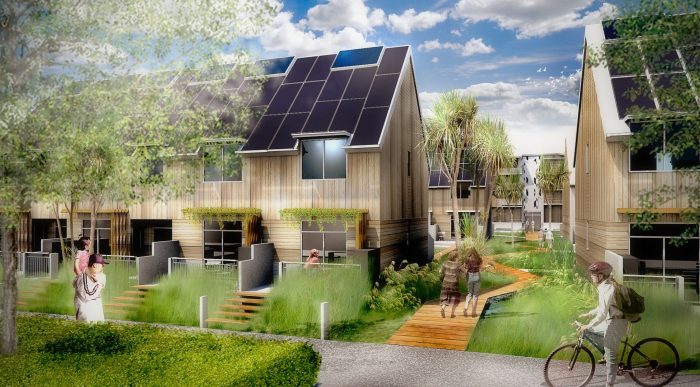
In small urban dwellings, maximizing space is crucial for creating a comfortable and functional living environment. Efficient storage solutions that are both practical and eco-friendly play a key role in achieving this goal. Embracing minimalism in urban home design not only helps in space optimization but also promotes sustainability by reducing waste and unnecessary consumption.
Design Efficient Storage Solutions
When it comes to small living spaces, utilizing every inch of available space is essential. Designing efficient storage solutions that are both functional and eco-friendly can help keep the space organized and clutter-free. Consider incorporating multipurpose furniture pieces like storage ottomans, beds with built-in drawers, and wall-mounted shelves to maximize storage capacity without sacrificing style.
Impact of Minimalism on Urban Home Design
Minimalism is not just a design trend but a lifestyle choice that can have a significant impact on urban home design and sustainability. By adopting a minimalist approach, urban dwellers can reduce the need for excess furniture, decor, and possessions, leading to a more streamlined and efficient living space.
This not only creates a sense of calm and openness but also reduces the environmental footprint of the home by promoting conscious consumption and waste reduction.
Indoor Air Quality
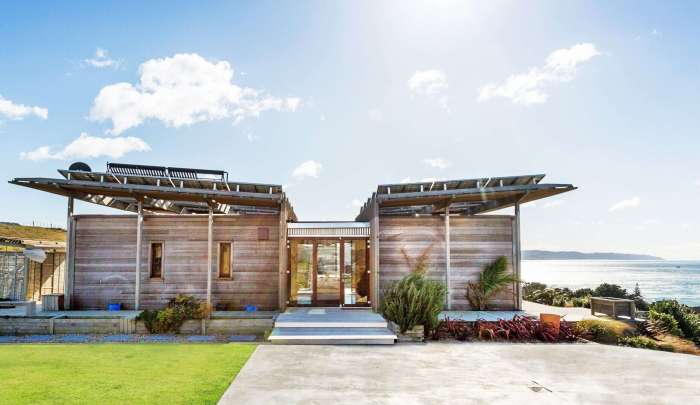
Improving indoor air quality is essential for creating a healthy and comfortable living environment in urban dwellings. By making thoughtful design choices, incorporating air-purifying plants, and ensuring proper ventilation systems, you can significantly enhance the quality of the air you breathe indoors.
Air-Purifying Plants for Urban Environments
- Spider Plant: Known for its ability to remove toxins like formaldehyde and xylene from the air.
- Pothos: Effective at eliminating pollutants and improving indoor air quality.
- Peace Lily: Helps to reduce mold spores and purify the air, making it ideal for urban settings.
Significance of Ventilation Systems
Proper ventilation plays a crucial role in maintaining good indoor air quality by ensuring the circulation of fresh air and the removal of pollutants. Ventilation systems help prevent the buildup of harmful contaminants, such as volatile organic compounds (VOCs) and allergens, creating a healthier living space for urban dwellers.
Water Conservation
Water conservation is crucial for sustainable living in urban environments. By implementing methods to reduce water waste and incorporating efficient systems, urban dwellers can minimize their water usage and environmental impact.
Reducing Water Waste
Reducing water waste in urban homes can be achieved through simple yet effective practices. Some methods include fixing leaky faucets and pipes, using low-flow fixtures, and being mindful of water usage habits such as turning off the tap while brushing teeth or scrubbing dishes.
Greywater Recycling Systems
Greywater recycling systems are a great way to reuse water from sources like sinks, showers, and washing machines for non-potable purposes such as watering plants or flushing toilets. By incorporating these systems into home design, urban dwellers can significantly reduce their water consumption and contribute to water conservation efforts.
Designing a Water-Efficient Home
When designing a water-efficient home, it’s important to consider various factors that can help minimize water usage. Some tips include installing water-saving appliances, utilizing rainwater harvesting systems, and landscaping with drought-resistant plants. Additionally, incorporating smart technology for monitoring and controlling water usage can further enhance the efficiency of a home’s water management.
Closing Summary
In conclusion, Eco-Conscious Home Design for Urban Dwellers is a vital step towards a greener future in our cities. By implementing the principles discussed here, individuals can contribute to a more sustainable and healthier urban lifestyle.
Quick FAQs
Can eco-friendly materials be as durable as traditional ones?
Yes, many eco-friendly materials are designed to be just as durable, if not more so, than traditional materials.
What are some common smart home technologies that promote energy efficiency?
Smart thermostats, energy-efficient lighting systems, and automated blinds are examples of technologies that can help reduce energy consumption.
How can minimalism impact urban home design and sustainability?
Minimalism focuses on simplicity and functionality, which can lead to more efficient use of resources and space in urban homes, contributing to sustainability.
Are there specific plants that are particularly good for purifying indoor air in urban environments?
Plants like spider plants, peace lilies, and snake plants are known for their air-purifying properties and thrive well indoors.
What are greywater recycling systems, and how do they benefit water conservation in urban homes?
Greywater recycling systems collect and filter water from sinks and showers to be reused for purposes like watering plants, reducing overall water usage in a household.