

Best siding for coastal homes (moisture resistant) sets the stage for this enthralling narrative, offering readers a glimpse into a story that is rich in detail and brimming with originality. From exploring the ideal siding materials to installation tips and cost considerations, this guide covers it all.
When it comes to protecting coastal homes from the harsh effects of moisture, choosing the right siding is crucial. Let’s delve into the world of moisture-resistant siding and discover the best options for your coastal abode.
Types of siding suitable for coastal homes
When it comes to choosing siding for coastal homes, it is crucial to opt for materials that are moisture-resistant to withstand the harsh seaside conditions. Here, we will discuss the different types of siding materials that are suitable for coastal environments.
Vinyl Siding
Vinyl siding is a popular choice for coastal homes due to its affordable price and low maintenance requirements. It is highly resistant to moisture, making it ideal for areas with high humidity and salt exposure. However, vinyl siding may not be as durable as other materials and can fade over time.
Fiber Cement Siding
Fiber cement siding is known for its durability and resistance to moisture, making it a great option for coastal homes. It can withstand extreme weather conditions and is resistant to rot, insects, and fire. However, fiber cement siding can be more expensive than other materials.
Engineered Wood Siding
Engineered wood siding offers the natural look of wood with enhanced durability and moisture resistance. It is designed to resist rot, decay, and pests, making it a reliable choice for coastal homes. However, engineered wood siding may require more maintenance compared to vinyl or fiber cement.
Metal Siding
Metal siding, such as aluminum or steel, is highly resistant to moisture and can withstand salt exposure in coastal areas. It is durable, low maintenance, and offers a modern aesthetic to homes. However, metal siding may dent or scratch easily and may not provide as much insulation as other materials.
Factors to consider when choosing siding for coastal homes
When selecting siding for coastal homes, it is crucial to consider various factors to ensure durability and protection against the harsh coastal environment. One of the primary considerations is the moisture resistance of the siding, as coastal areas are prone to high humidity levels and frequent exposure to moisture.
Climate and Proximity to the Ocean
The climate of a coastal area plays a significant role in the selection of siding. Regions with high levels of precipitation or frequent rainstorms may require siding materials that are highly resistant to moisture. Additionally, homes located in close proximity to the ocean are more susceptible to salt exposure, which can accelerate the deterioration of certain siding materials.
Humidity Levels and Temperature Fluctuations
High humidity levels in coastal areas can promote the growth of mold and mildew on siding, leading to potential damage and health concerns. Temperature fluctuations, common in coastal regions, can also impact the expansion and contraction of siding materials, affecting their longevity and performance.
Wind and Salt Exposure
Strong coastal winds can cause debris to impact siding, leading to damage over time. Siding materials that can withstand high wind speeds are essential for coastal homes. Moreover, the salt content in coastal air can corrode certain siding materials, making it essential to choose options that are resistant to salt exposure.Overall, when choosing siding for coastal homes, it is vital to prioritize moisture resistance and select materials that can withstand the unique challenges posed by coastal environments.
Considering factors such as climate, proximity to the ocean, humidity levels, wind resistance, and salt exposure can help homeowners make informed decisions to protect their homes effectively.
Installation and maintenance tips for moisture-resistant siding
Installing moisture-resistant siding in coastal regions requires careful attention to detail to ensure longevity and effectiveness. Additionally, ongoing maintenance is crucial to combat specific challenges like mold, mildew, and salt buildup. Here are some best practices to consider:
Installation Best Practices
- Ensure proper flashing and sealing around windows, doors, and corners to prevent water infiltration.
- Use corrosion-resistant fasteners to avoid rust and deterioration over time.
- Leave adequate spacing between siding panels for expansion and contraction, especially in humid coastal climates.
- Consider professional installation to guarantee the siding is properly installed and sealed against moisture.
Ongoing Maintenance Guidelines
- Regularly inspect the siding for signs of damage, such as cracks, peeling paint, or discoloration.
- Clean the siding annually with a mild detergent and water to remove dirt, salt, and other contaminants.
- Trim foliage around the siding to prevent moisture buildup and promote airflow.
- Apply a protective sealant or paint every few years to enhance moisture resistance and prolong the lifespan of the siding.
Addressing Specific Challenges
- To combat mold and mildew, clean the siding with a mixture of water and bleach, and ensure proper ventilation in humid areas.
- For salt buildup, rinse the siding with fresh water regularly to prevent corrosion and maintain its appearance.
- If mold or mildew persists, consider using a commercial cleaner specifically designed for siding maintenance.
Cost considerations and budgeting for moisture-resistant siding
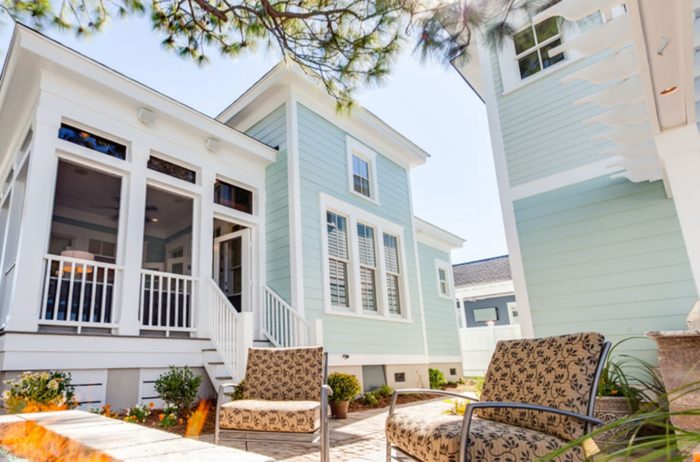
When it comes to choosing moisture-resistant siding for coastal homes, cost is a crucial factor to consider. Here, we will break down the cost considerations and provide tips on budgeting for siding replacement or installation in a coastal environment.
Cost breakdown of various types of siding materials
- Vinyl siding: Vinyl siding is one of the most affordable options for moisture-resistant siding. It typically costs between $2 to $7 per square foot, making it a budget-friendly choice for coastal homes.
- Fiber cement siding: Fiber cement siding is a more durable option compared to vinyl, with a cost ranging from $5 to $12 per square foot. While it may be a bit more expensive upfront, it offers better long-term value due to its durability.
- Cedar siding: Cedar siding is a popular choice for coastal homes due to its natural beauty and resistance to moisture. However, it comes at a higher cost, ranging from $5 to $15 per square foot, depending on the grade of cedar.
Tips for budgeting for siding replacement or installation
- Get multiple quotes from different contractors to compare prices and services offered.
- Consider the long-term savings of investing in higher-quality siding materials that require less maintenance over time.
- Factor in additional costs such as insulation, trim work, and removal of old siding when budgeting for the project.
Initial investment vs. long-term maintenance costs
While the initial investment in moisture-resistant siding may be higher, it can save you money in the long run by reducing the need for frequent repairs and maintenance due to moisture damage. Investing in quality siding upfront can help you avoid costly repairs down the line.
Last Word
In conclusion, selecting the best siding for coastal homes (moisture resistant) involves careful consideration of various factors to ensure longevity and protection. With the right information at your disposal, you can make an informed decision that will safeguard your home for years to come.
User Queries
What are the key factors to consider when choosing moisture-resistant siding for coastal homes?
Factors such as climate, proximity to the ocean, humidity levels, wind exposure, salt exposure, and temperature fluctuations play a critical role in selecting the most suitable siding for coastal areas.
How can I maximize the moisture resistance of siding in coastal regions?
By following best practices during installation and conducting regular maintenance, such as addressing mold, mildew, and salt buildup, you can enhance the longevity of moisture-resistant siding in coastal environments.
Is the initial investment in moisture-resistant siding worth it in the long run?
While the upfront cost may be higher, investing in moisture-resistant siding for coastal homes can outweigh long-term maintenance expenses, providing superior protection and durability against moisture-related issues.

