

Exterior siding trends in the US and Europe set the stage for this enthralling narrative, offering readers a glimpse into a story that is rich in detail and brimming with originality. From popular materials to color trends, cultural influences to technological advancements, this discussion will delve into the captivating world of exterior siding designs across continents.
US Exterior Siding Trends
When it comes to exterior siding trends in the US, there are several key factors to consider, including the materials used, color choices, climate impact, and design styles.
Popular Materials for Exterior Siding
- Vinyl: Vinyl siding remains a popular choice in the US due to its affordability, durability, and low maintenance requirements.
- Fiber Cement: Fiber cement siding is gaining popularity for its versatility, durability, and resistance to rot and pests.
- Wood: Despite the higher maintenance needs, wood siding is still favored for its natural beauty and charm.
- Brick: Brick siding offers a timeless and classic look, adding a touch of elegance to any home exterior.
Color Trends for Exterior Siding
- Neutral Tones: Neutral colors like white, gray, and beige continue to dominate the exterior siding color palette in the US, offering a timeless appeal.
- Dark Hues: Deep blues, greens, and blacks are also gaining popularity, adding a modern and dramatic touch to home exteriors.
- Earth Tones: Warm earthy colors such as terracotta, tan, and olive green are being used to create a cozy and inviting look.
Climate Impact on Exterior Siding Choices
The climate plays a significant role in determining the best siding materials for different regions in the US. For instance, vinyl siding is popular in areas with high humidity, while fiber cement is preferred in regions with extreme temperature fluctuations.
Traditional vs. Modern Exterior Siding Designs
- Traditional Designs: Traditional siding styles like clapboard and shingles are still popular for their classic charm and timeless appeal.
- Modern Designs: Contemporary siding designs featuring clean lines, geometric shapes, and mixed materials are on the rise, offering a fresh and stylish look.
European Exterior Siding Trends
In Europe, exterior siding trends differ significantly from those in the US, showcasing a unique blend of historical influences, cultural preferences, and sustainability considerations.
Materials Used for Exterior Siding
In Europe, common materials used for exterior siding include brick, stone, wood, stucco, and metal. These materials reflect the region’s rich architectural heritage and diverse cultural influences. In contrast, the US primarily utilizes vinyl, fiber cement, and wood for exterior siding, emphasizing affordability and ease of maintenance.
Cultural Influences on Siding Choices
European exterior siding choices are often influenced by cultural factors such as traditional building styles, regional aesthetics, and historical preservation efforts. For example, countries like Germany and Switzerland may favor timber cladding for its natural aesthetic, while Mediterranean regions opt for stucco finishes to complement their sunny climates.
Sustainability Aspect of European Trends
European exterior siding trends place a strong emphasis on sustainability and eco-friendliness. Many homeowners and architects choose materials that are locally sourced, renewable, and energy-efficient to reduce environmental impact. This focus on sustainability aligns with the growing global awareness of climate change and the importance of green building practices.
Role of Historical Architecture
Historical architecture plays a significant role in shaping European exterior siding designs. Many modern homes in Europe draw inspiration from traditional building techniques and materials, blending historical charm with contemporary aesthetics. This integration of past and present influences creates a unique architectural landscape that celebrates the region’s cultural heritage.
Technological Advancements
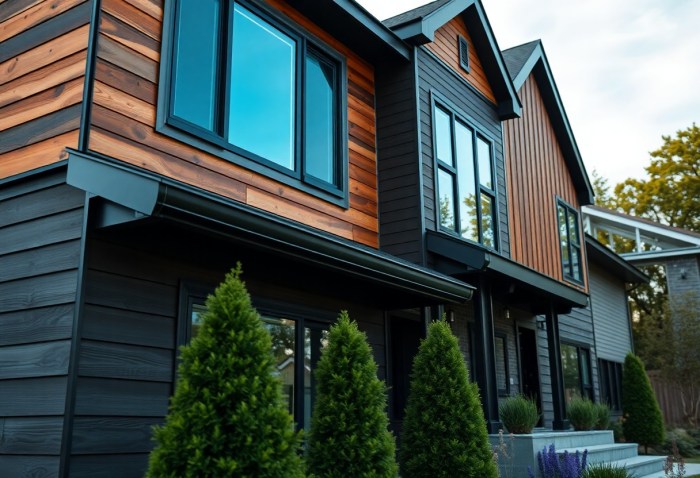
In recent years, technological advancements have played a significant role in shaping exterior siding trends in both the US and Europe. From innovative materials to cutting-edge design techniques, advancements in technology have revolutionized the exterior siding industry.
Smart Materials Impact
Smart materials have been a game-changer in the exterior siding industry, offering a range of functionalities that go beyond traditional siding materials. These materials are designed to respond to environmental conditions, enhance energy efficiency, and provide durability like never before.
For example, self-healing coatings can repair minor scratches and damages automatically, prolonging the lifespan of the siding and reducing maintenance costs.
Cutting-Edge Design Techniques
Design plays a crucial role in the aesthetic appeal of exterior siding, and technological advancements have enabled the adoption of cutting-edge design techniques. From 3D printing to customizable textures and patterns, designers now have more flexibility and creativity in transforming the look of exterior siding.
For instance, advanced digital printing techniques allow for intricate designs and realistic textures to be incorporated into siding materials, offering a wide range of options for homeowners to choose from.
Environmental Considerations
When it comes to choosing exterior siding, considering the environmental impact is crucial in today’s world. Eco-friendly options are gaining popularity in both the US and Europe as people become more conscious of sustainability.
Eco-Friendly Options for Exterior Siding
- One popular choice is using reclaimed wood or recycled materials for siding, reducing the need for new resources.
- Fiber cement siding, made from a mix of wood fiber, cement, and sand, is durable and environmentally friendly.
- Composite siding, which combines wood fibers and recycled plastic, offers a sustainable alternative to traditional wood siding.
Importance of Energy Efficiency
Energy-efficient siding can help reduce heating and cooling costs, making it a smart choice for environmentally conscious homeowners. Insulated siding, reflective coatings, and proper installation techniques all contribute to improved energy efficiency.
Upcycling in Exterior Siding Materials
- Upcycling involves repurposing old materials into new products, giving a second life to items that would otherwise end up in landfills.
- Using upcycled materials for siding not only reduces waste but also adds a unique and rustic charm to the exterior of a building.
Sustainable Practices in Production and Installation
- Manufacturers are increasingly adopting sustainable practices in the production of exterior siding, such as reducing water and energy consumption and minimizing waste.
- Choosing local materials and suppliers can also help reduce the carbon footprint associated with transportation.
- Proper installation techniques, including minimizing waste and recycling leftover materials, play a crucial role in ensuring the sustainability of exterior siding projects.
Wrap-Up
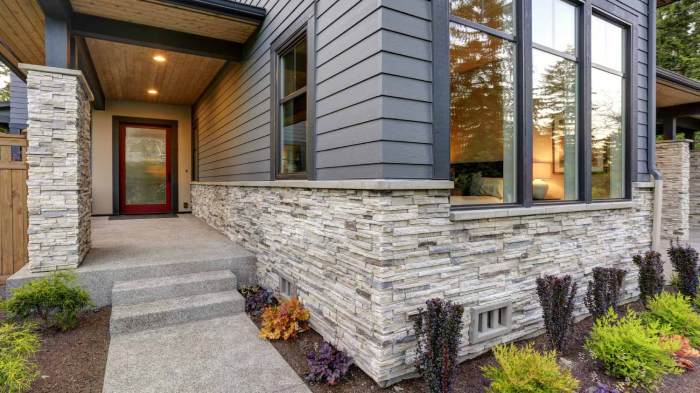
In conclusion, the dynamic landscape of exterior siding trends in the US and Europe showcases a blend of tradition and innovation, sustainability and style. As new technologies emerge and environmental considerations take center stage, the future of exterior siding promises to be both exciting and eco-conscious.
Dive into this ever-evolving realm to discover the endless possibilities for transforming the facades of buildings in the modern era.
Top FAQs
What are the most popular materials for exterior siding in the US and Europe?
Popular materials in the US include vinyl, fiber cement, and wood, while Europe often uses brick, stone, and stucco for siding.
How does climate impact exterior siding choices in different regions of the US?
Regions with harsh climates may opt for more durable materials like fiber cement, while milder regions might focus on aesthetics with wood or vinyl siding.
What role does historical architecture play in shaping European exterior siding designs?
Historical architecture influences European siding styles, with regions like Italy favoring stucco due to its historical prevalence in Mediterranean architecture.

