

Exterior waterproofing solutions for basements and foundations set the stage for this enthralling narrative, offering readers a glimpse into a story that is rich in detail and brimming with originality from the outset. As we delve into the world of waterproofing, we uncover the various types, benefits, installation processes, maintenance tips, and cost considerations that make this topic both practical and intriguing.
Types of Exterior Waterproofing Solutions
Exterior waterproofing solutions for basements and foundations are crucial in preventing water damage and leakage. There are several types of solutions available, each with its own unique advantages and effectiveness. Let’s explore some of the common options and their real-life applications.
1. Exterior Drainage Systems
Exterior drainage systems, such as French drains or exterior footing drains, are designed to divert water away from the foundation. These systems can be highly effective in preventing water buildup and seepage into the basement. For example, a French drain can be installed along the perimeter of the foundation to collect and redirect water to a safe drainage area.
2. Waterproofing Membranes
Waterproofing membranes are applied to the exterior walls of the foundation to create a barrier against water penetration. These membranes can be made of various materials, such as asphalt, rubberized asphalt, or polyurethane. They provide a durable and long-lasting solution for waterproofing basements and foundations.
An example of a waterproofing membrane application is the use of bituminous coatings to seal the foundation walls.
3. Exterior Waterproofing Coatings
Exterior waterproofing coatings, such as cementitious coatings or elastomeric coatings, are applied to the exterior surface of the foundation to provide a protective barrier against water intrusion. These coatings can be sprayed or brushed onto the walls and offer excellent resistance to water pressure.
A real-life application of exterior waterproofing coatings is the use of an elastomeric coating to seal cracks and gaps in the foundation walls.
4. Exterior Excavation and Waterproofing
Exterior excavation involves digging around the foundation to expose the walls for waterproofing treatment. This method allows for a comprehensive waterproofing solution, including the installation of drainage systems, membranes, and coatings. While more invasive and costly, exterior excavation and waterproofing provide a thorough and long-term solution to waterproofing basements and foundations.
Benefits of Exterior Waterproofing
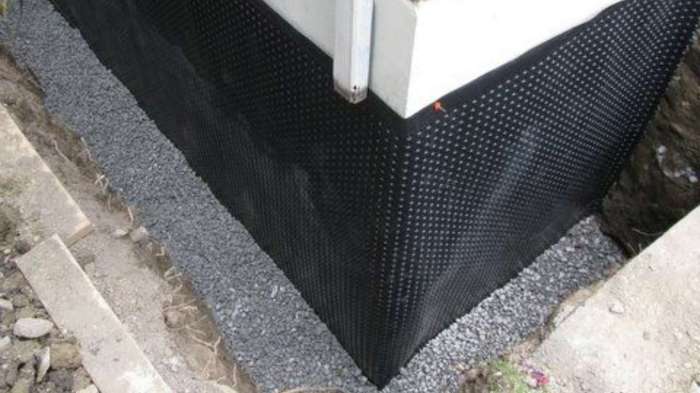
Exterior waterproofing solutions offer a range of benefits for basements and foundations, providing essential protection against water damage and increasing the longevity of a building.
Preventing Water Damage
Exterior waterproofing creates a barrier that prevents water from seeping into the basement or foundation of a building. By keeping the structure dry, it helps to avoid issues such as mold growth, rotting wood, and structural damage caused by water infiltration.
Increasing Lifespan of a Building
By effectively managing water and moisture, exterior waterproofing can significantly extend the lifespan of a building. It helps to preserve the integrity of the foundation and structural components, reducing the risk of costly repairs or replacements due to water-related damage over time.
Installation Process
When it comes to installing exterior waterproofing systems for basements and foundations, there are several general steps involved in the process. Proper installation is crucial to ensure the effectiveness and longevity of the waterproofing solution. Here are some tips for ensuring a successful installation and common challenges faced during the process:
General Steps for Installation
- Excavation: The first step involves excavating the soil around the foundation to expose the exterior walls.
- Cleaning and Repair: The walls are then cleaned and any cracks or damages are repaired to ensure a smooth surface for waterproofing.
- Application of Waterproofing Membrane: A waterproofing membrane is applied to the exterior walls to create a barrier against water infiltration.
- Installation of Drainage System: A drainage system is installed to divert water away from the foundation and prevent water buildup.
- Backfilling: Once the waterproofing system is in place, the soil is backfilled and graded away from the foundation for proper drainage.
- Final Inspection: A final inspection is conducted to ensure that the waterproofing system has been installed correctly and is functioning effectively.
Tips for Successful Installation
- Work with experienced professionals who specialize in exterior waterproofing to ensure a quality installation.
- Use high-quality materials that are designed for long-lasting waterproofing solutions.
- Regular maintenance and inspections can help identify any issues early on and prevent costly repairs in the future.
- Ensure proper drainage around the foundation to prevent water buildup and potential damage.
Common Challenges and Solutions
- Uneven Excavation: Ensure that the excavation is done evenly to avoid potential structural damage to the foundation.
- Poor Adhesion of Waterproofing Membrane: Proper surface preparation and application techniques can help improve adhesion and effectiveness.
- Inadequate Drainage: Address any drainage issues promptly to prevent water buildup and potential leaks.
- Cracking or Damage: Regular inspections and repairs can help maintain the integrity of the waterproofing system over time.
Maintenance and Care

Regular maintenance is crucial for ensuring the effectiveness and longevity of exterior waterproofing systems. By properly caring for these systems, you can prevent water damage, mold growth, and structural issues in your basement or foundation.
Recommended Maintenance Tasks
- Inspect the exterior walls for any signs of damage, such as cracks, holes, or deterioration.
- Clean gutters and downspouts regularly to ensure proper drainage away from the foundation.
- Check the grading around your home to ensure water is directed away from the foundation.
- Trim vegetation near the foundation to prevent roots from causing damage to the waterproofing system.
Troubleshooting Tips
- If you notice any leaks or dampness in your basement, inspect the exterior walls for any damage that may be compromising the waterproofing system.
- Address any cracks or holes in the foundation promptly to prevent water from seeping into the basement.
- If you suspect a problem with the waterproofing system, contact a professional for a thorough inspection and repairs.
Cost Considerations
When it comes to installing exterior waterproofing solutions for basements and foundations, there are several cost factors to consider. The initial investment in waterproofing can vary depending on the type of solution chosen, the size of the area to be treated, and the complexity of the installation process.
However, it’s important to look beyond the upfront costs and consider the long-term benefits and savings that exterior waterproofing can provide.
Breakdown of Cost Factors
- The type of waterproofing solution: Different types of exterior waterproofing, such as membrane systems, drainage systems, or sealants, come at different price points.
- The size of the area: The larger the area to be waterproofed, the higher the overall cost of materials and labor.
- The condition of the foundation: If extensive repairs or preparation work is needed before waterproofing can be done, this can increase the overall cost.
- The accessibility of the site: Difficult-to-reach areas may require specialized equipment or additional labor, leading to higher costs.
Cost-Effectiveness of Different Solutions
- Membrane systems: While membrane systems may have a higher upfront cost, they are often more durable and long-lasting, providing cost savings in the long run.
- Drainage systems: Installing drainage systems can prevent water damage and foundation issues, potentially saving on costly repairs later on.
- Sealants: Sealants may be a more affordable option initially, but they may require more frequent maintenance and reapplication, increasing long-term costs.
Long-Term Savings
Investing in exterior waterproofing solutions for basements and foundations can save money in the long run by preventing water damage, mold growth, and structural issues that can be expensive to repair. By addressing moisture problems at the source, homeowners can avoid costly repairs and renovations down the line, ultimately protecting their investment in their property.
Outcome Summary
In conclusion, the discussion on exterior waterproofing solutions for basements and foundations sheds light on the importance of protecting buildings from water damage. By understanding the types, benefits, installation steps, maintenance requirements, and costs associated with waterproofing, individuals can make informed decisions to safeguard their properties for years to come.
Detailed FAQs
How long does exterior waterproofing typically last?
Exterior waterproofing solutions can last anywhere from 10 to 30 years, depending on the type of system installed and the quality of maintenance carried out.
Can exterior waterproofing be applied to older buildings?
Absolutely. Exterior waterproofing can be retrofitted onto existing structures to enhance their protection against water infiltration and damage.
Is exterior waterproofing a DIY project or should it be done by professionals?
While some maintenance tasks can be DIY, the initial installation of exterior waterproofing systems is best left to professionals to ensure proper application and effectiveness.

