

Embarking on a journey through the world of minimalist design principles for residential buildings, we delve into the essence of simplicity and functionality that define this architectural style. From clean lines to strategic use of space, minimalist design offers a blend of elegance and practicality that transforms living spaces into harmonious sanctuaries.
As we explore the key elements and strategies of minimalist design, a tapestry of creativity and purpose unfolds, showcasing how this design philosophy can elevate the quality of residential living.
Importance of Minimalist Design in Residential Buildings
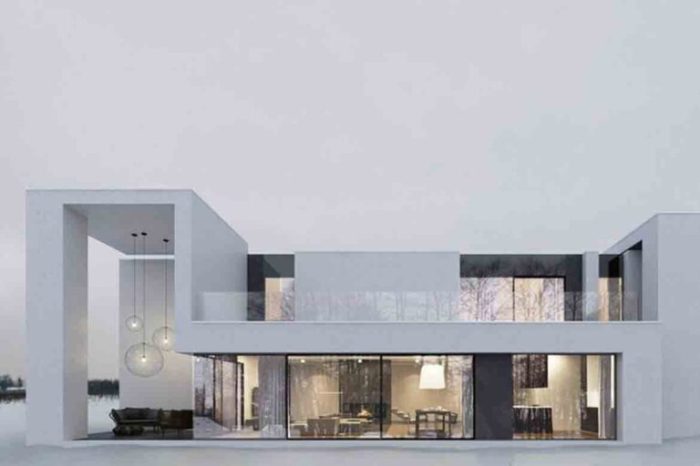
Minimalist design principles focus on simplicity, clean lines, and a clutter-free environment. This design approach emphasizes the use of minimal furniture, neutral colors, and functional spaces to create a sense of calm and openness in residential buildings.
Enhancing Functionality of Residential Spaces
Minimalist design can greatly enhance the functionality of residential spaces by eliminating unnecessary elements and focusing on what is essential. By reducing clutter and simplifying the layout, minimalist design allows for better flow and movement within a space. For example, open floor plans, built-in storage solutions, and multi-functional furniture are commonly used elements that maximize space and usability in minimalist residential buildings.
Common Minimalist Design Elements
- Neutral color palettes: Minimalist designs often feature neutral colors such as white, beige, and grey to create a sense of calm and spaciousness.
- Clean lines and geometric shapes: Straight lines and simple geometric forms are key elements of minimalist design, contributing to a clean and uncluttered aesthetic.
- Functional furniture: Minimalist furniture pieces are often multi-functional and designed with practicality in mind to maximize space and usability.
- Natural materials: Incorporating natural materials like wood, stone, and metal adds warmth and texture to minimalist spaces, creating a harmonious balance between simplicity and sophistication.
Key Elements of Minimalist Design for Residential Buildings
Minimalist design for residential buildings focuses on simplicity, functionality, and clean aesthetics. Key elements of minimalist design include the use of natural light, clean lines and simple forms, and carefully curated color palettes.
Use of Natural Light in Minimalist Design
Natural light is a crucial element in minimalist design as it helps create a sense of openness and airiness in the space. Large windows, skylights, and light-colored walls can maximize the entry of natural light, reducing the need for artificial lighting during the day.
This not only enhances the overall ambiance of the space but also contributes to energy efficiency.
Importance of Clean Lines and Simple Forms
Clean lines and simple forms are fundamental to minimalist design, as they help eliminate clutter and create a sense of order and harmony in the space. Straight lines, geometric shapes, and unadorned surfaces are common features of minimalist architecture. By focusing on simplicity and clarity, minimalist design allows for a more serene and streamlined living environment.
Contribution of Color Palettes to Minimalist Aesthetic
Color palettes play a significant role in achieving a minimalist aesthetic. Neutral tones such as white, beige, gray, and black are commonly used in minimalist spaces to create a sense of calm and sophistication. Accents of bold colors can be incorporated sparingly to add visual interest and contrast to the overall design.
By carefully selecting colors that complement each other, a minimalist space can feel cohesive and balanced while still making a statement.
Space Optimization in Minimalist Design
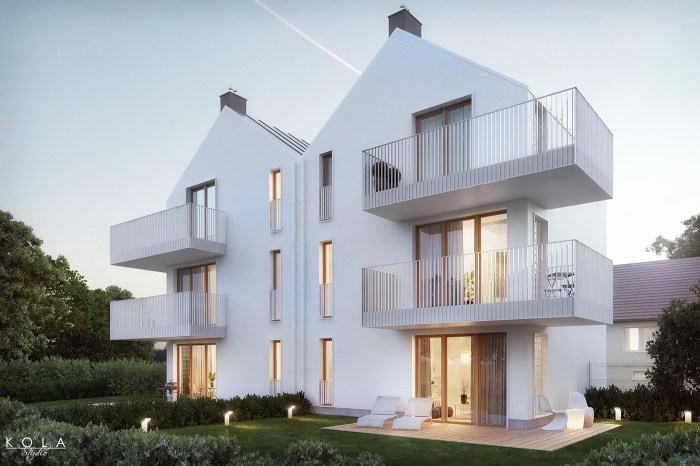
In minimalist design, maximizing space is crucial to achieve a clean and uncluttered look. By utilizing smart strategies and storage solutions, you can create a functional and visually appealing residential space that embodies minimalist principles.
Maximizing Space in a Minimalist Residential Setting
One effective strategy for maximizing space in a minimalist residential setting is to embrace multi-functional furniture. Pieces like Murphy beds, nesting tables, and storage ottomans can serve dual purposes, allowing you to make the most of limited space.
- Utilize vertical space by installing wall-mounted shelves or cabinets to keep the floor area free from clutter.
- Opt for furniture with sleek designs and clean lines to create an open and airy feel in the room.
- Consider built-in storage solutions such as hidden cabinets or drawers to maintain a minimalist aesthetic while maximizing storage capacity.
Comparing Different Storage Solutions
When it comes to storage solutions in a minimalist design, it’s essential to choose options that seamlessly blend into the overall aesthetic of the space. Some popular storage solutions that align with minimalist principles include:
- Minimalist wardrobes with sliding doors that save space and offer a streamlined look.
- Floating shelves that provide storage without taking up valuable floor space.
- Under-bed storage containers to utilize the often-underutilized space beneath the bed for stashing away items.
Impact of Furniture Selection on Creating a Minimalist Space
The furniture you choose plays a significant role in creating a minimalist space. Opt for furniture pieces that are functional yet visually light to maintain an uncluttered look. Consider the following when selecting furniture:
- Choose furniture with simple designs and neutral colors to complement the minimalist aesthetic.
- Avoid bulky or oversized furniture pieces that can overwhelm the space and disrupt the minimalist vibe.
- Opt for furniture with hidden storage compartments to keep clutter out of sight and maintain a clean look.
Sustainability and Minimalist Design
Minimalist design principles not only focus on aesthetics and functionality but also play a crucial role in promoting sustainability in residential buildings. By embracing simplicity, efficiency, and mindful use of resources, minimalist architecture can contribute to a more eco-friendly and environmentally conscious approach to building design.
Use of Eco-Friendly Materials
One of the key aspects of sustainability in minimalist design is the use of eco-friendly materials. This includes materials that are renewable, recycled, or have minimal impact on the environment. Examples of such materials include bamboo, reclaimed wood, recycled glass, and low-VOC paints.
By incorporating these materials into the construction of residential buildings, architects can reduce the carbon footprint of the building and promote a healthier indoor environment for the occupants.
Energy-Efficient Practices
Minimalist design often emphasizes natural light, ventilation, and energy-efficient systems to reduce the reliance on artificial lighting and heating/cooling. For example, large windows, skylights, and open floor plans allow for better daylight penetration, reducing the need for artificial lighting during the day.
Additionally, passive solar design principles can be integrated into minimalist architecture to harness the sun’s energy for heating and cooling purposes. Energy-efficient appliances, solar panels, and green roofs are other examples of practices that complement minimalist design and promote sustainability in residential buildings.
Ultimate Conclusion
In conclusion, Minimalist Design Principles for Residential Buildings encapsulate a harmonious blend of form and function, offering a timeless aesthetic that transcends trends. By embracing simplicity, maximizing space, and promoting sustainability, minimalist design paves the way for a more thoughtful and purposeful approach to residential architecture.
FAQ Corner
How can minimalist design principles enhance the functionality of residential spaces?
Minimalist design focuses on decluttering spaces, utilizing clean lines, and maximizing natural light to create a sense of openness and tranquility, ultimately enhancing the functionality of residential areas.
What are some examples of minimalist design elements commonly used in residential buildings?
Common minimalist design elements include neutral color palettes, simple geometric shapes, uncluttered spaces, and the strategic use of natural materials like wood and stone.
How can minimalist design promote sustainability in residential buildings?
Minimalist design promotes sustainability by advocating for the use of eco-friendly materials, energy-efficient practices, and a focus on durability and longevity in architectural choices.

